
How Data Analytics Is Driving Retail Culture
by Hugh Williams on 2nd Jul 2018 in News
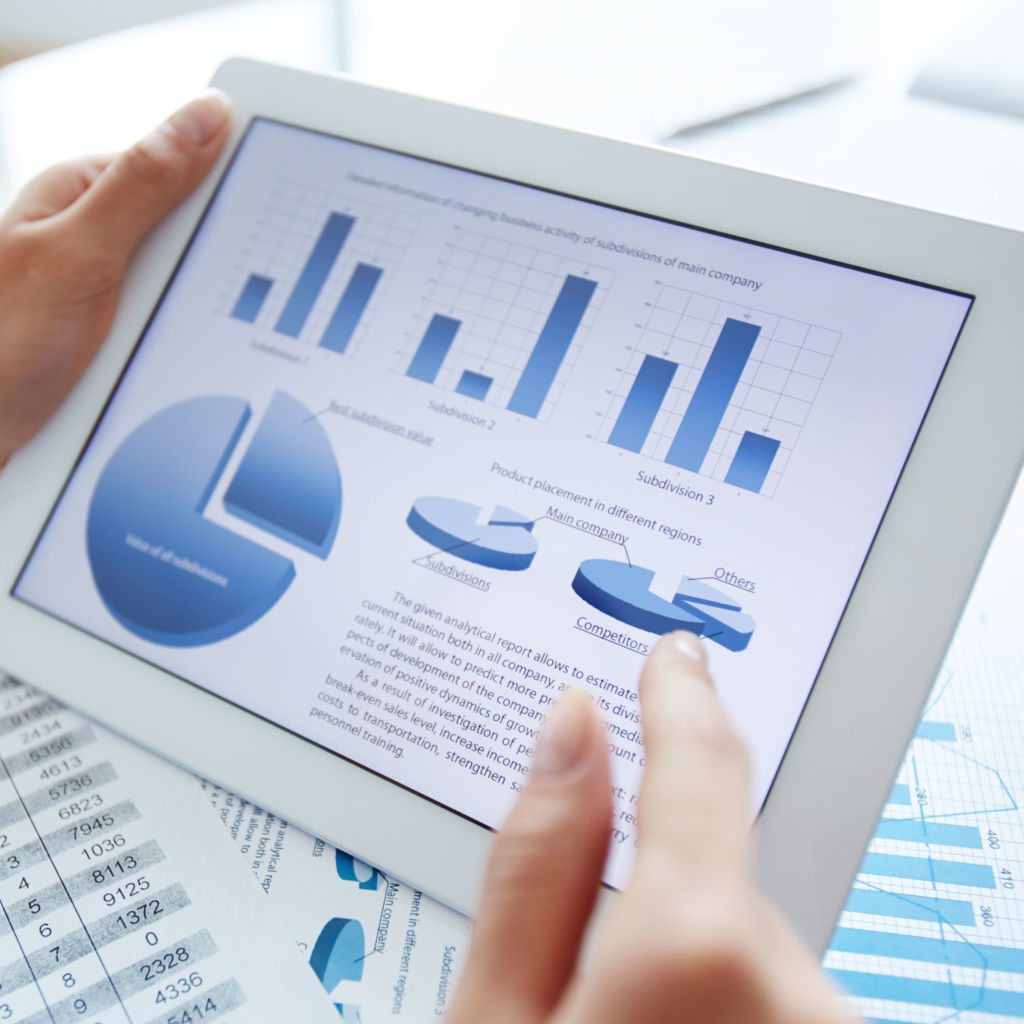
The retail industry is experiencing a period of unprecedented digital disruption. The rise of online, instant shopping, and home deliveries has already had a major impact on the traditional high street. It’s no surprise that physical sales are dropping as more and more people switch to apps and websites to purchase goods and services they previously bought in-store. In this piece for RetailTechNews, Laura Timms, retail analytics expert, MHR Analytics, explains why data analytics holds the key to the future of retail culture.
It has been a brutal few months, with the high street taking several major blows. It began earlier this year with Toys R Us going into administration, with the stores quickly closing. Then, more recently, House of Fraser made an announcement that it will be closing 31 of its 59 shops due to profit difficulties. New Look has also stated that they will be slashing their prices after reporting an 11.4% drop in sales back in March. What is clear from these three retailers is that the industry is struggling to keep stores open and maintain profits. The new digital-savvy customer has expectations that will cause them to look elsewhere if they don’t get the choice, speed of service, and value for money they crave.
The introduction of mobile and online channels has also meant that retailers have been forced to rollout their digital transformation initiatives to improve customer service. Since Google’s Zero Moment of Truth (ZMOT) research found that 70% of consumers research a product online before purchasing it in-store, this figure has only continued to increase. Consequently, retailers must continue to invest in these digital channels to entice consumers and prevent them from going elsewhere to make purchases.
The convenience of browsing sites at the consumer’s leisure is taking precedence in the industry where they can buy and return goods at ease. However, the practical issues around delivering this kind of seamless experience requires a great deal of flexibility across the supply chain.
The stock that’s held for sales through online channels is often managed in a different warehousing system compared to that of the high street stores and, for many retailers, some stores will often be left with too much or too little stock unless there is close synchronisation between outlets.
As well as this, a celebrity endorsement or a freak change in weather can often affect stock levels and upset sales predictions. These pressures of sudden stock changes often mean retailers simply haven’t been able to keep up. This leads to missed sales opportunities, declining revenues and, eventually, job losses.
In order to survive in this turbulent environment, retailers must keep up with the ever-changing digital world. To do this, they can introduce synergy between their different sales outlets to produce a seamless omnichannel experience that customers can appreciate. It’s never been more vital to ensure that demand, planning, and inventory are aligned, to guarantee that the forecasting of sales is as accurate as possible and having up-to-date data insights is crucial to ensure that production decisions are accurate.
Despite the need for these important insights, many retailers continue to extract this critical information about their various channels from disparate IT systems in an ineffective way. By continuing to use spreadsheets to manage and combine data, it is more time consuming and less effective than using an integrated system. By using this current approach, retailers will fail to get a realistic insight into their business and this will, in turn, prevent accurate planning.
This is where data analytics comes in, helping to provide retailers with the power to enhance the omnichannel experience through data. Implementing this kind of software bridges the gaps between the separate channels and gives retailers the ability to view their entire inventory in real time, giving them a 360-degree view on their sales position and stock levels. By using analytics, retailers can also manage customers’ expectations by monitoring shipping times, improving warehouse day-to-day operations, and fulfilling orders through any channel in order to align their operations. This will prevent stock from selling out or creating logistical issues and gives retailers the time to focus on their customers’ needs.
Analytics can also help to show retailers their full costs at a granular level, right down to the day-by-day expenditure, meaning they can remove unnecessary spend where it is not being utilised and put it towards better uses in areas that provide the highest return of investment. For example, real-time visibility of the performance of promotions allows retailers to change them within the trading day. Access for retailers to these capabilities is essential for a quick response to customer needs, which will inevitably lead to more sales.
It is essential for retailers to have a customer-focused omnichannel business model. Customers expect more than a retailer stating they have competitive prices and care about their customer experience; they expect retailers to deliver on these promises.
The road ahead for retail remains uncertain, so decision-making must be accurate and informed. Those who master analytics to transform their business will thrive, those who fail to do so will struggle to survive.



Follow Fast Growth Brands